Johnny Morrison
The Minds of Billy MilliganJohnny Morrison, a musician and nightclub master of ceremonies, was a central and contradictory figure in Billy Milligan’s family history. He helped build a home for Dorothy Milligan and their children while his career faltered and his gambling and drinking deepened the family’s financial strain. After Johnny died by suicide, Dorothy spared the children the worst of the story; years later, Billy’s questions and investigation brought competing accounts of Johnny’s life and their parents’ relationship into view.
Identity and Family Background
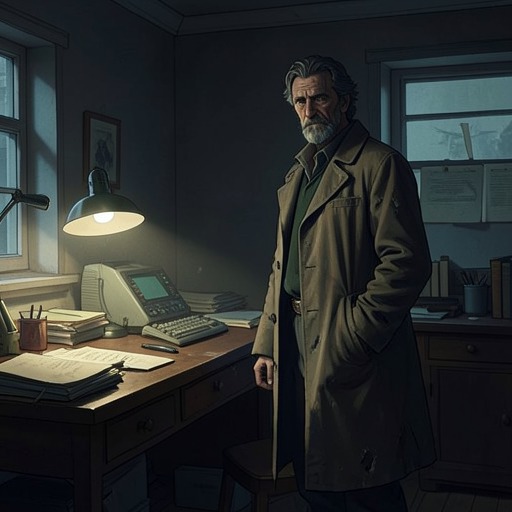
Johnny was a stocky, fighter-built performer who had once worked as a top-notch master of ceremonies and musician. Dorothy remembered an earlier version of him as a man who helped arrange her singing and saw her home safely. She had felt protected enough to warn other men away by invoking their relationship. By the time Billy was an infant, however, Johnny was thirty-six, blind in his left eye, and, in Dorothy’s estimation, more like a father to her than a romantic partner.
The couple’s family circumstances were complicated. Dorothy had previously been married to Dick Jonas, and Johnny spoke of finding his wife and obtaining a divorce, but never did so. He nevertheless bought a pink stucco house with a palm tree in the backyard, explaining that people in show business needed a home life. At Billy’s admission to Mount Sinai Hospital in Miami Beach, Johnny gave the baby’s name as William Stanley Morrison. When asked about religion, he hesitated; Dorothy answered Catholic. The exchange, alongside Johnny’s lingering uncertainty about whether Billy was his child, establishes the unease beneath the family’s outward domestic arrangements.
Career Decline and Household Strain
Johnny’s work had once given him a public identity as a performer, but younger comedians began receiving the bookings while he was left with less desirable engagements. Rather than concentrate on developing his act, he increasingly gambled and drank. Dorothy described his drinking as interfering with his ability to complete nightclub performances. His old self-description as an entertainer built equally around music and wit had, in her bitter assessment, acquired an additional measure of bourbon.
The family’s finances worsened as their needs grew. Billy spent his first year in and out of Miami hospitals, and the medical expenses became difficult for Johnny to meet. Dorothy became pregnant again and refused Johnny’s suggestion that she seek an abortion in Cuba. Kathy Jo was born on New Year’s Eve, December 31, 1956. Johnny borrowed more money, gambled more, and accumulated a debt of six thousand dollars to loan sharks. Dorothy argued with him, and he beat her.
Johnny was hospitalized for acute alcoholism and depression in the fall of 1956. He was allowed home for Jim’s fifth birthday, but when Dorothy returned from work late that night, she found him unresponsive at the table, with alcohol and an empty bottle of sleeping pills nearby. He survived that crisis and later returned home, appearing attentive when playing with the children or working on songs and routines. Dorothy discovered that he was still speaking with bookmakers. When she tried to stop him, he cursed and hit her. He eventually moved out to the Midget Mansions Motel, missing Christmas with the children and Kathy’s third birthday.
Death and Immediate Aftermath
On January 18, the police informed Dorothy that Johnny had died by suicide in his station wagon outside the motel. He left an eight-page note attacking Dorothy and directing that certain personal debts be paid from the insurance money. The note’s hostility stood in stark contrast to the affection he had expressed for the children in other parts of the surviving correspondence, and it left a written record shaped by grievance as well as practical instructions.
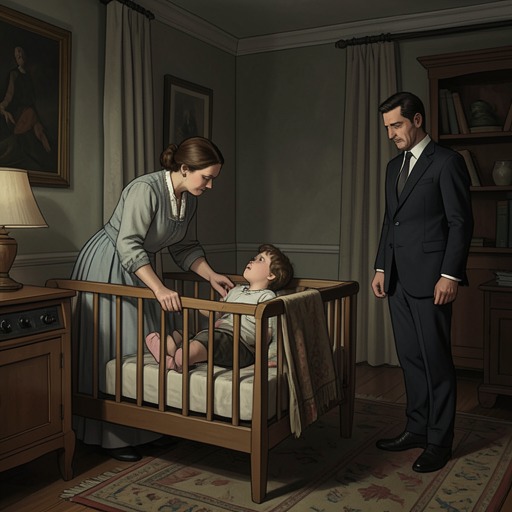
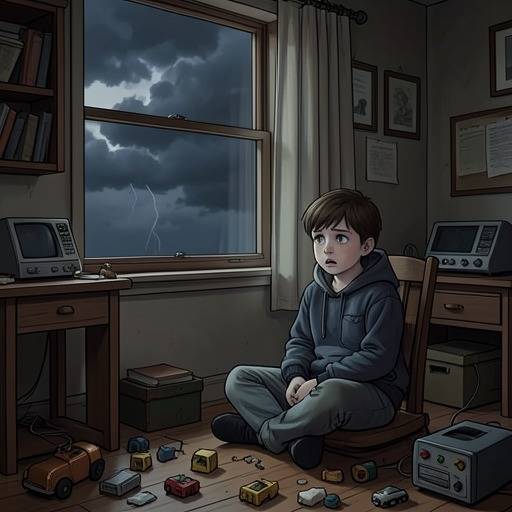
Dorothy told Jim and Billy that their father had gone to heaven. The boys went to the window and looked up at the sky. The following week, loan sharks threatened Dorothy and the children unless she paid Johnny’s six-thousand-dollar debt. She fled first to her sister Jo Ann Bussy in Key Largo and then returned with the children to Circleville, Ohio. There she reconnected with her former husband, Dick Jonas; after dating and receiving his promises to change, she remarried him. Johnny’s death thus ended his presence in the household but did not end the consequences of his debts or the instability his family had to escape.
The Record Behind Billy’s Memories
Dorothy later explained to Billy that she had allowed him to form his own image of his father. She had answered some questions as best she could but had withheld the sadder parts, believing there was no reason to hurt the children. On February 19, during a visit alone with Billy, she spoke with him while he taped their conversation. He wanted to understand his childhood and why Johnny had died. He asked her again about a time in Florida when she had given Johnny all the money she had so he could go on the road, leaving only tuna and macaroni at home. She said he had not returned with the money and had gone on to the borscht circuit.
Billy’s sister Kathy had a copy of Johnny’s suicide note from the public defender’s office. She had resisted showing it to him because she feared it would upset him, but eventually gave him the envelope. Its contents included a letter from the Dade County medical examiner’s office, four separate pages of instructions to four people, an eight-page letter to Herb Rau of the Miami News, and a two-page note that had been torn and pieced together but remained incomplete. The instructions addressed outstanding debts ranging from twenty-seven to one hundred eighty dollars, distinct from the six-thousand-dollar debt later invoked by the loan sharks.
In the letter to Rau, Johnny presented himself as desperate to secure temporary support for James, William, and Kathy Jo through his small insurance policy. He accused Dorothy of breaking up the home and feared she would share the money with people he distrusted. He also claimed that the children had been born outside marriage and described his attempts to marry Dorothy. These statements are Johnny’s allegations in a document written during a crisis, not an independent account of the relationship. The surviving material preserves his effort to shape what would happen after his death as well as his resentments toward Dorothy.
Billy’s Search and Johnny’s Narrative Role
Billy was stunned by the letter and read it repeatedly, trying to assess whether it could be trusted. He pursued corroboration rather than treating the document as a complete explanation. Before leaving Kathy’s home in Logan, he contacted the Florida Bar Association to locate Johnny’s lawyer, only to learn that the lawyer had died. He then checked the hall of records and found no marriage-license record for Johnny Morrison or Johnny Sohraner, one of the names associated with Johnny in his inquiry.
Billy continued calling until he reached a former owner of a nightclub where Johnny had worked. The retired owner, who still brought seafood to the club from his boat in Key Biscayne, said he had expected one of Johnny’s children to ask about him. He said he had fired Dorothy because of the people she brought around, and recalled Johnny trying unsuccessfully to keep her away from those associates. His account offered Billy a further perspective, but it remained one witness’s recollection alongside Dorothy’s memories and Johnny’s accusatory letter.
Johnny therefore reaches the reader through conflicting traces: Dorothy’s recollections of a protective, talented performer and of a violent, unreliable partner; a suicide note that seeks to defend his version of events; and Billy’s later effort to test what the family had been told. His importance to the story lies not only in his role as Billy’s father or in the circumstances of his death, but in the unanswered questions his absence leaves behind. Billy’s search begins with a desire to understand his father and becomes an attempt to distinguish inherited memory from documentary claims and other people’s testimony.